Little Pea: A Charming Script Font for Crafters
As a maker who spends hours perfecting the cut settings on my Cricut and tweaking margins for printable planners, I know that the right typeface can make or break a product. We are not just selling paper, vinyl, or ceramic; we are selling an emotion, a vibe, and a sense of care. This is why finding a script font that balances whimsy with professionalism is such a treasure hunt. Enter Little Pea, a delightful addition to the Script Amp collection that has quickly become a staple in my design toolkit. It is not just another decorative element; it is a versatile tool that helps turn simple design ideas into eye-catching commercial products.
The Visual Personality of Little Pea
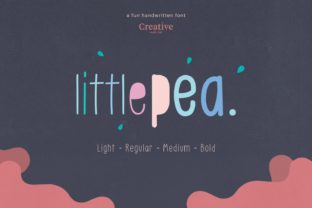
What strikes me first about Little Pea is its unique style. It does not try too hard to be formal, nor is it so loose that it becomes illegible. It sits comfortably in that sweet spot of modern typography where approachability meets elegance. The strokes have a natural flow, mimicking the pressure variations of a real pen, which gives it an authentic handmade feel. For those of us creating handmade labels or boutique packaging, this authenticity is crucial. Customers can sense when a font feels robotic versus when it feels human. Little Pea feels human.
This premium font carries a lightness that works beautifully for brands aiming for a friendly, warm, and inviting identity. Whether you are designing for a children’s boutique, a cozy candle shop, or a wedding stationery suite, the charm of this typeface adds an immediate layer of emotional appeal. It suggests that the product inside was made with love and attention to detail.
Practical Applications for Physical Products
The true test of any commercial font is how it performs in real-world applications. I have used Little Pea across a wide variety of projects, and its versatility is impressive. Here is how it shines in specific craft scenarios:
- Product Labels and Packaging: For small batch items like artisanal jams, soy candles, or handmade soaps, Little Pea works wonderfully for the product name. It draws the eye without overwhelming the essential information. When paired with a clean sans serif font for ingredients and weight details, it creates a balanced, high-end look.
- Stickers and Decals: If you sell planner stickers or laptop decals, this font is ideal for short, punchy phrases. Its curves cut cleanly on vinyl cutting machines like Silhouette or Cricut, provided you size it correctly. It avoids the tiny, fragile connectors that often plague other script fonts, making it more durable for peeling and application.
- Wedding and Event Stationery: From save-the-dates to welcome boards, Little Pea adds a touch of romance without being overly traditional. It looks particularly stunning on kraft paper or textured cardstock, enhancing the rustic or boho aesthetic that many couples currently prefer.
- Home Decor and Signs: For farmhouse-style wooden signs or framed printable wall art, this font serves as an excellent display option. It reads well from a distance when used for titles or single words, making it perfect for nursery decor or kitchen mantra prints.
Readability and Design Best Practices
While Little Pea is undeniably cute, it is important to remember that it is primarily a display font. It is best suited for short phrases, names, titles, and decorative wording rather than long paragraphs of body text. Using it for lengthy descriptions on a product tag or a letter can strain the reader’s eyes and diminish the impact of its unique character.
To maintain readability, especially on small items like jewelry tags or mini stickers, ensure you do not scale the font down too far. The intricate details that give Little Pea its charm can blur if printed at very small sizes. Always print a test sheet or cut a sample piece of vinyl before committing to a full production run. Check the spacing between letters; sometimes, adding a slight increase in tracking can help prevent the swashes from overlapping awkwardly, ensuring each letter remains distinct and legible.
Mastering Font Pairings
A great script never stands alone; it needs a supporting cast. One of the reasons I keep Little Pea in my active folder is how well it plays with other typefaces. To create a professional brand identity, consider these pairing strategies:
- Script + Sans Serif: This is the most reliable combination for product labels. Use Little Pea for the brand name or product title, and pair it with a geometric sans serif for the details. The contrast between the flowing curves of the script and the straight lines of the sans serif creates visual interest and hierarchy.
- Script + Simple Serif: For a more classic or literary feel, such as on bookish printable quotes or vintage-inspired invitations, pair Little Pea with a clean serif font. The serif adds a touch of authority and tradition, grounding the playfulness of the script.
- Script + Bold Display: If you are making bold social media graphics or sale banners, you can pair Little Pea with a heavy, bold display font. Use the bold font for the main message (like "SALE" or "NEW") and Little Pea for the subheading to soften the overall look.
Technical Features and Licensing
Before purchasing any design assets, it is vital to check the technical specifications. Little Pea comes with features that enhance its usability, such as alternates and ligatures. These allow you to customize the connections between letters, giving your designs a more organic, hand-lettered appearance. Be sure to explore the included file formats to ensure compatibility with your preferred software, whether you are using Adobe Illustrator for vector work or Canva for quick social media graphics.
Additionally, always review the license agreement. As small business owners, we need to ensure our commercial font usage is compliant. Typically, fonts from reputable foundries like Script Amp allow for the creation of physical end products, such as printed invitations, mugs, shirts, and tote bags, as well as digital downloads like SVG files and printable templates. However, embedding the font file itself in a website or app usually requires a different license. Understanding these boundaries protects your business and respects the creator’s work.
Incorporating Little Pea into your creative workflow can elevate the perceived quality of your offerings. It is more than just a set of characters; it is a tool for storytelling. By using it thoughtfully in your packaging design, logo design, and customer communications, you create a cohesive and memorable brand experience. For crafters and sellers looking to add a touch of unique charm to their portfolio, this font is a worthy investment that pays dividends in customer appeal and aesthetic consistency.