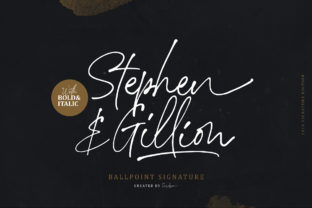
Stephen Gillion: A Heartfelt Script Font for Makers
The afternoon light was hitting my workbench just right when I opened a new design file, ready to finalize the labels for my upcoming spring candle collection. I had spent weeks perfecting the wax blends and sourcing sustainable wicks, but the packaging felt incomplete. It lacked that personal, handcrafted touch that tells a customer, "This was made with care." That is when I discovered Stephen Gillion, a signature script from Script Amp that changed the entire vibe of my product line. As soon as I typed out the scent name, "Lavender & Linen," the letters flowed across the screen with a natural, organic rhythm. But it was the subtle, lovely hearts integrated into the letterforms that truly caught my eye. They weren't overpowering; they were delicate whispers of affection embedded in the typography itself.
For those of us who run handmade shops, create printables, or design wedding stationery, finding the right typeface is often the difference between a product that looks amateur and one that feels premium. Stephen Gillion is not just a font; it is a design asset that brings immediate warmth and personality to any project. Its visual personality is charming and approachable, striking a balance between elegant calligraphy and casual handwriting. This makes it incredibly versatile for a wide range of creative applications, from high-end wedding invitations to playful boutique tags.
Bringing Warmth to Product Labels and Packaging
One of the most impactful ways I have used Stephen Gillion is on physical product labels. Whether you are sealing jars of homemade jam, labeling soy candles, or creating hang tags for knitted goods, the font adds an layer of perceived quality. The natural writing style mimics the look of a skilled calligrapher’s hand, which resonates deeply with customers who value artisanal craftsmanship. When I printed a test batch of stickers for my soap bars, the legibility remained crisp even at smaller sizes, provided I kept the text concise. The hearts on the letters serve as built-in decorative elements, reducing the need for extra clipart or graphic flourishes. This streamlines the design process while maintaining a cohesive brand identity.
Packaging design benefits immensely from this typeface as well. Imagine a simple kraft paper box sealed with a sticker featuring your shop name in Stephen Gillion. The contrast between the rustic texture of the paper and the smooth, flowing lines of the script creates a tactile and visual appeal that encourages unboxing experiences to be shared on social media. It turns a standard transaction into a memorable brand interaction.
Elevating Wedding Stationery and Special Events
Beyond physical goods, Stephen Gillion shines in the world of event stationery. Wedding invitations require a font that conveys romance without sacrificing readability. This script delivers both. I recently designed a suite of wedding welcome boards and place cards using this font, and the result was effortlessly romantic. The ligatures and connections between letters feel authentic, avoiding the rigid, computerized look that plagues many digital scripts. For couples looking to add a personal touch to their big day, using a font that includes subtle heart motifs can symbolize love in a understated, sophisticated way.
It is also excellent for other celebratory prints, such as birthday invitations, baby shower signage, or anniversary cards. The mood it sets is joyful and intimate. When paired with a clean, modern sans serif font for the essential details like dates, times, and locations, Stephen Gillion allows the decorative text to take center stage while ensuring the critical information remains easy to read. This font pairing strategy is crucial for maintaining professional editorial design standards in your templates.
Perfect for Printables and Digital Downloads
If you are a printable creator or sell digital downloads on platforms like Etsy, Stephen Gillion is a valuable addition to your library. It works beautifully for planner headers, motivational quote art, and journaling prompts. The handwritten aesthetic makes digital products feel more human and less sterile. I have used it to create seasonal wall art prints, where short phrases like "Stay Cozy" or "Love Always" are highlighted by the font’s inherent charm. Because it is a display font, it is best suited for titles, short phrases, and names rather than long paragraphs of body text. Using it for headings in digital planners or as accent text in social media graphics helps break up content and draws the viewer’s eye to key messages.
When designing for cutting machines like Cricut or Silhouette, this font performs well for vinyl decals and iron-on transfers. However, always check the complexity of the hearts and swashes. For small stickers or intricate cuts, you may need to adjust the size to ensure the delicate details do not get lost during the weeding process. Testing a sample cut on scrap material is always a wise step before committing to a full production run.
Building a Cohesive Brand Identity
Consistency is key in building brand recognition. By adopting Stephen Gillion as part of your core design assets, you create a visual thread that ties together your website, social media graphics, packaging, and physical products. This consistency helps customers recognize your brand instantly. Whether it is on a tote bag design, a mug, or a digital newsletter header, the font’s unique character becomes synonymous with your shop’s voice. It communicates warmth, creativity, and attention to detail.
Before using Stephen Gillion for commercial purposes, such as selling physical merchandise or digital templates, it is essential to review the licensing agreement included with the download. Ensure that the license covers your specific use case, whether it is for unlimited physical products, web design, or client work. Additionally, check for included styles, alternates, and multilingual support if you plan to expand your product offerings to international markets. Understanding these technical details ensures that your creative process remains smooth and legally sound.
In the end, choosing a font is about more than just aesthetics; it is about emotion. Stephen Gillion invites the viewer to slow down and appreciate the beauty in the details. For makers and creators, it is a tool that helps translate the care put into crafting a product into the visual language of its presentation. From the first glance at a label to the final read of an invitation, this script font leaves a lasting impression of warmth and authenticity.